|
|
|
**🛼 1. What are Skates?**
Basically, skates are shoes with wheels or blades attached so you can glide around on stuff like ice, concrete, or at a skating rink. There are two main kinds:
* Ice Skates – These have a metal blade for sliding on ice.
* Roller Skates / Inline Skates – These use wheels to roll on hard surfaces.
**❄️ 2. Different Kinds of Skates**
A. Ice Skates
These are for ice skating, playing hockey, or doing figure skating.
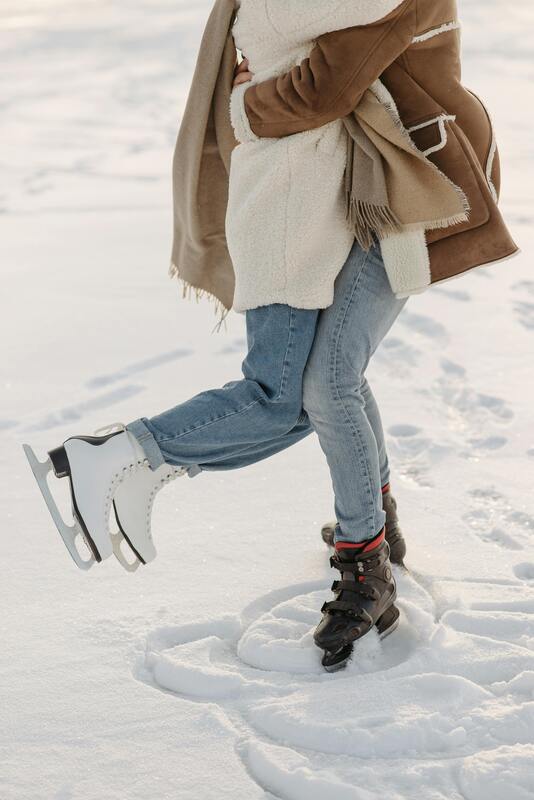
* Figure skates: Have a longer blade and toe picks for jumps and spins.
* Hockey skates: Have a shorter, curved blade for speed.
* Speed skates: Have a really long, straight blade to go super fast.
* Recreational ice skates: Just comfy skates for having fun.
B. Roller Skates
These have four wheels, two in the front and two in the back.
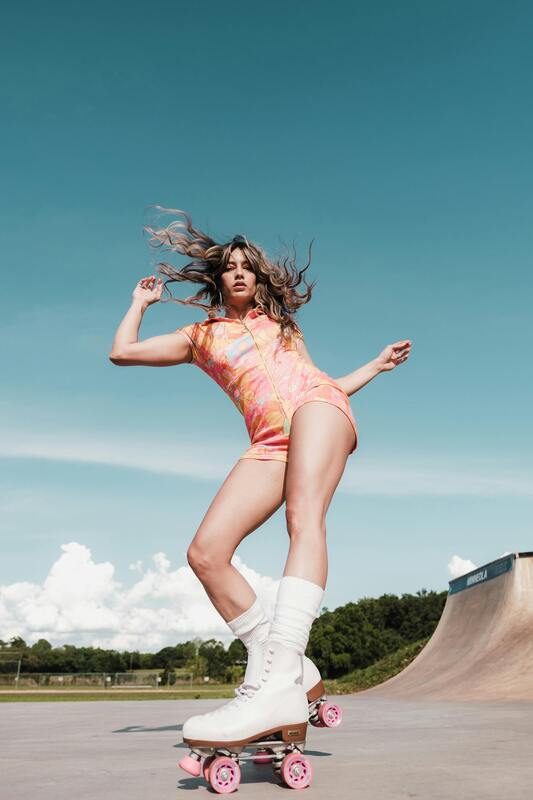
* Quad skates: Old-school skates for rink skating, dancing, or artistic skating.
* Outdoor quad skates: Have bigger, softer wheels for skating on the street.
* Speed or derby skates: Have low-cut shoes so you can move fast.
C. Inline Skates
These have 3-5 wheels in a line.
* Recreational inline skates: For general skating, inside or outside.
* Aggressive skates: Have strong frames for doing tricks.
* Speed inline skates: Have big wheels for racing.
* Urban/Freestyle skates: Have short frames for quick turns.
* Hockey inline skates: Made for roller hockey.
**⚙️ 3. What Skates are Made Of**
* Boot: The shoe part, made of leather, plastic, or other materials.
* Blade / Frame: Connects the boot to the wheels or blade.
* Wheels: Made of plastic, come in different sizes and hardnesses.
* Bearings: Make the wheels spin.
* Trucks / Axles: Hold the wheels on quad skates.
* Toe Stop / Brake: For stopping, on the front of quads or back of inlines.
* Liner: Padding inside the boot.
* Laces / Buckles / Straps: Keep your foot in place.
**📏 4. All About Wheels (for Roller & Inline Skates)**
* Diameter (mm): Big wheels = faster; Small wheels = easier to control.
* Hardness: Softer wheels (78A–85A) grip better outside; harder wheels (88A–101A) roll faster inside.
* Profile (shape): Round wheels turn easier; flat wheels are more stable.
**👣 5. Getting the Right Size**
Skate sizes aren't the same as shoe sizes, so check the size in cm or inches.
* Measure your foot: Trace it on paper and measure from heel to toe.
* They should fit snug (but not hurt) to give you control and prevent blisters.
* For kids: Leave a little room to grow.
**🧽 6. Keeping Your Skates in Good Shape**
| Task | How Often | What to Do |
| --------------------- | -------------- | ----------------------------------------------------------------------------- |
| Clean bearings | Once a month | Take the wheels off, clean the bearings with a solvent, and add new grease. |
| Check wheels/blades | Every time | Look for cracks or dull spots. |
| Move wheels around | Every few weeks | Swap the wheels so they wear down evenly. |
| Tighten screws | Now and then | Make sure nothing's loose. |
| Dry after skating | Every time | So they don’t rust or smell bad. |
**🧤 7. Gear Up for Safety**
Always wear:
* Helmet
* Knee pads
* Elbow pads
* Wrist guards
* Good socks (to stop rubbing)
**🏋️ 8. Learning the Ropes**
* Start slow: Get your balance right first.
* Learn how to stop (T-stop, heel brake, or toe stop).
* Practice skating and turning in a big space.
* For tricks or sports: Watch tutorials or get a coach.
* Warm up before you skate.
**⚖️ 9. Where to Skate**
* Smooth concrete/asphalt: Great for inline/outdoor quad skates.
* Indoor rinks: Good for beginners.
* Ice rinks: You need these for ice skates.
* Don't skate on rough ground or when it's wet.
**💡 10. Things to Watch Out For**
* Loose skates → get you blisters and make it hard to control.
* Worn wheels → don't grip well and slow you down.
* Not wearing safety gear.
* Leaning backward — keep your weight centered or a bit forward.
**🧭 Quick Guide**
| Type | Surface | What to Learn | Cool Thing |
| ---------- | --------------- | ------------------ | ------------------- |
| Ice skates | Ice | Balance, control | Metal blade |
| Quad skates | Indoor/Outdoor | Dance, moving around | 4 wheels |
| Inline skates| Pavement | Speed, being quick | Wheels in a line |
Basically, skates are shoes with wheels or blades attached so you can glide around on stuff like ice, concrete, or at a skating rink. There are two main kinds:
* Ice Skates – These have a metal blade for sliding on ice.
* Roller Skates / Inline Skates – These use wheels to roll on hard surfaces.
**❄️ 2. Different Kinds of Skates**
A. Ice Skates
These are for ice skating, playing hockey, or doing figure skating.
* Figure skates: Have a longer blade and toe picks for jumps and spins.
* Hockey skates: Have a shorter, curved blade for speed.
* Speed skates: Have a really long, straight blade to go super fast.
* Recreational ice skates: Just comfy skates for having fun.
B. Roller Skates
These have four wheels, two in the front and two in the back.
* Quad skates: Old-school skates for rink skating, dancing, or artistic skating.
* Outdoor quad skates: Have bigger, softer wheels for skating on the street.
* Speed or derby skates: Have low-cut shoes so you can move fast.
C. Inline Skates
These have 3-5 wheels in a line.
* Recreational inline skates: For general skating, inside or outside.
* Aggressive skates: Have strong frames for doing tricks.
* Speed inline skates: Have big wheels for racing.
* Urban/Freestyle skates: Have short frames for quick turns.
* Hockey inline skates: Made for roller hockey.
**⚙️ 3. What Skates are Made Of**
* Boot: The shoe part, made of leather, plastic, or other materials.
* Blade / Frame: Connects the boot to the wheels or blade.
* Wheels: Made of plastic, come in different sizes and hardnesses.
* Bearings: Make the wheels spin.
* Trucks / Axles: Hold the wheels on quad skates.
* Toe Stop / Brake: For stopping, on the front of quads or back of inlines.
* Liner: Padding inside the boot.
* Laces / Buckles / Straps: Keep your foot in place.
**📏 4. All About Wheels (for Roller & Inline Skates)**
* Diameter (mm): Big wheels = faster; Small wheels = easier to control.
* Hardness: Softer wheels (78A–85A) grip better outside; harder wheels (88A–101A) roll faster inside.
* Profile (shape): Round wheels turn easier; flat wheels are more stable.
**👣 5. Getting the Right Size**
Skate sizes aren't the same as shoe sizes, so check the size in cm or inches.
* Measure your foot: Trace it on paper and measure from heel to toe.
* They should fit snug (but not hurt) to give you control and prevent blisters.
* For kids: Leave a little room to grow.
**🧽 6. Keeping Your Skates in Good Shape**
| Task | How Often | What to Do |
| --------------------- | -------------- | ----------------------------------------------------------------------------- |
| Clean bearings | Once a month | Take the wheels off, clean the bearings with a solvent, and add new grease. |
| Check wheels/blades | Every time | Look for cracks or dull spots. |
| Move wheels around | Every few weeks | Swap the wheels so they wear down evenly. |
| Tighten screws | Now and then | Make sure nothing's loose. |
| Dry after skating | Every time | So they don’t rust or smell bad. |
**🧤 7. Gear Up for Safety**
Always wear:
* Helmet
* Knee pads
* Elbow pads
* Wrist guards
* Good socks (to stop rubbing)
**🏋️ 8. Learning the Ropes**
* Start slow: Get your balance right first.
* Learn how to stop (T-stop, heel brake, or toe stop).
* Practice skating and turning in a big space.
* For tricks or sports: Watch tutorials or get a coach.
* Warm up before you skate.
**⚖️ 9. Where to Skate**
* Smooth concrete/asphalt: Great for inline/outdoor quad skates.
* Indoor rinks: Good for beginners.
* Ice rinks: You need these for ice skates.
* Don't skate on rough ground or when it's wet.
**💡 10. Things to Watch Out For**
* Loose skates → get you blisters and make it hard to control.
* Worn wheels → don't grip well and slow you down.
* Not wearing safety gear.
* Leaning backward — keep your weight centered or a bit forward.
**🧭 Quick Guide**
| Type | Surface | What to Learn | Cool Thing |
| ---------- | --------------- | ------------------ | ------------------- |
| Ice skates | Ice | Balance, control | Metal blade |
| Quad skates | Indoor/Outdoor | Dance, moving around | 4 wheels |
| Inline skates| Pavement | Speed, being quick | Wheels in a line |
**🕰️ 11. Skate History**
**Ice Skates**
Skates have been around for a seriously long time—like, over 3,000 years! Back then, folks in northern Europe used animal bones strapped to their feet to slide around on frozen lakes.
The skates that let you actually *skate* showed up in the 1200s and 1300s when they started using metal blades.
Figure skates and hockey skates as you know them got their start in the 1800s and 1900s. That's when they started using strong steel and building boots that really gave you support and let you control the skates well.
**Roller Skates**
Someone invented roller skates way back in the 1700s. The first ones had all the wheels in a line, but then they changed it to the four-wheel quad setup in the mid-1800s.
Roller skating got super popular in dance halls and skating rinks in the 1900s.
Today's roller skates use plastic wheels, good bearings, and frames that don't weigh much.
**⚗️ 12. Skating Science**
**How It Works**
Skating's all about friction and keeping your momentum.
Ice or smooth wheels cut down on friction, so you can glide farther.
When you push backward at an angle, that's what moves you forward. (Thanks, Newton!)
Staying balanced means keeping your weight centered over your feet.
**Turning**
If you lean or angle the skate, you'll start to turn.
Inline skates with a slight curve to the wheel setup turn better.
With ice skates, how sharp the blade is curved controls how tight you can turn.
**Stopping**
You stop by using friction to slow down:
Ice skates: Snowplow stop, the T stop, or a hockey stop.
Inline skates: Heel brake, T stop, or power slide.
Quad skates: Toe stop drag or plow stop.
**🧩 13. Skate Anatomy**
**A. Ice Skates**
Blade Shape: A bit of curve helps you turn.
Blade Hollow: The groove between the edges of the blade. A deeper groove gives you more grip, a shallow one lets you go faster.
Holder (for hockey): Usually plastic or something like it that connects the blade to the boot.
Boot Stiffnes: How stiff the boot is changes how much support your ankle gets. Stiff boots are for performance, and softer boots are comfier.
**B. Inline Skates**
Frame Stuff: Aluminum is light but stiff. Plastic is bendy. Carbon fiber is for when you want the best performance.
Wheel Setup:
* 3 big wheels = speed and a smooth ride.
* 4 medium wheels = good balance and easy to move around.
* 5 small wheels = you can control them really well for things like slalom.
Bearing Covers: Open ones are easier to clean, but sealed ones give you more protection.
**C. Quad Skates**
Plate: The metal or plastic part under the boot which holds the trucks.
Trucks: The part that lets you turn (kinda like on a skateboard).
Cushions/Bushings: Rubber bits that control how responsive the skates are.
Toe Stop Stuff: You can change the stops or take them off and put in jam plugs if you's like to do dance skating.
**🏃 14. Skating How-Tos**
**Ice Skating Basics**
* Bend your knees a bit and put your arms out a little.
* March in place, then start pushing off with one foot.
* Try gliding with both feet together.
* Learn the edges of your blades (inside and outside).
* Then try turning, crossing over, and stopping.
**Inline Skating Basics**
* Start with your feet in a V shape and bend your knees.
* Push backward at an angle to roll forward.
* Get good at stopping with the heel brake.
* Then move on to the T stop, crossovers, and skating backward.
* If you want to do tricks, learn jumps, spins, slides, and grinds—but be careful!
**Quad Skating Basics**
* Stand with your feet apart and bend your knees.
* Push with one foot, then the other, to roll along.
* Use the toe stop or plow stop to slow down.
* Try transitions, spins, and dance steps if you want to do dance or derby.
**⚙️ 15. Making Skates Your Own**
| Area | Custom Option | What It Does |
| :---------- | :-------------------- | :------------------------------ |
| Wheels | Size, hardness | Change how fast and grippy |
| Bearings | Lube, how good they are | Smoother rolling |
| Frames/Plates | Material, length | Change control and/or speed |
| Boot liner | Foam you can mold | Perfect fit |
| Laces & straps | Special kinds | Your feet stay put |
| Toe stops / brakes | Different shapes | Stop how you like |
**🧼 16. How to Keep Your Skates in Good Shape**
**Cleaning Bearings**
* Take the wheels off and pop out the bearings.
* Use bearing cleaner or rubbing alcohol.
* Let them dry.
* Put one drop of skate oil in each (don't use thick grease).
**Sharpening Ice Blades**
* Do it every 15–20 hours you skate.
* A machine makes the groove in the blade just right.
* Don't walk on hard stuff without blade guards.
**Wheel Rotation**
* Inline: Move the front wheels to the back.
* Quad: Switch them in an X pattern—left front goes to right back.
* This keeps the wheels from wearing out too fast.
**🧠 17. Getting Better at Skating**
| Level | What to Focus On | What You Should Learn |
| :--------- | :---------------------- | :------------------------------------------------- |
| Beginner | Balance and how you stand | Standing, gliding, stopping |
| Okay | How to do things right | Turning, skating backward |
| Good | Power and going fast | Crossovers, jumps, slides |
| Expert | Style or doing a sport | Tricks, routines, races |
**🧍 18. Skating and Your Body**
Skating works your whole body:
* Legs and butt: Pushing builds muscle.
* Core: Staying balanced works your abs.
* Cardio: It's good exercise.
* Coordination: Makes you better at moving and reacting.
Calories you burn in an hour:
* Easy skating: About 350–500
* Hard skating or hockey: Around 600–900
**🛠️ 19. Problems and How to Fix Them**
| Problem | Why It Happens | How to Fix It |
| :--------------- | :----------------------------- | :-------------------------------- |
| Wobbly skates | Axles loose or bearings worn | Tighten stuff and clean bearings |
| Sore feet | Skates don't fit | Mess with the liner or use insoles |
| Can't stop well | Toe stop or brake worn | Replace it |
| Wheels wear uneven | Not rotating them | Rotate the wheels |
| Rusty blades | Not drying them | Dry after using |
**🧳 20. Storing Skates**
* Always let them air-dry.
* Keep them in a bag that breathes—not sealed plastic.
* Cover the wheels or blades so they don't get messed up.
* For ice skates, use cloth blade guards (not rubber) to keep them from rusting.
**🌍 21. Kinds of Skating**
| Kind | Type | What It Is |
| :------------ | :--------- | :--------------------------------------- |
| Just for fun | All | Skating around for fun and exercise |
| Artistic | Ice / Quad | Doing routines, spins, and jumps |
| Speed | Ice / Inline | Racing |
| Hockey | Ice / Inline | Team sport with, uh, contact |
| Tricks/Slalom | Inline | Doing tricks around cones |
| Roller Derby | Quad | Contact sport where you race |
| Aggressive | Inline | Doing stunts on ramps and rails |
| Dance / Moves| Quad | Skating to music |
**⚠️ 22. Staying Safe**
* Always wear gear.
* Skate on flat, dry stuff.
* Look where you're going.
* Don't skate where it's crowded or bumpy.
* Learn how to fall without getting hurt (land on your gear, not your wrists).
**🧩 23. What the Weather/Ground Does**
* Temperature: Cold makes wheels hard, warm makes them soft.
* Ground: Rough stuff = more grip, smooth stuff = faster.
* Water: Makes you slip and messes up bearings.
**🧭 24. Quick Look**
| Category | Ice | Quad | Inline |
| :------- | :--------- | :---------- | :-------- |
| Surface | Ice | Smooth floor | Pavement |
| Balance | Medium | Easy | Harder |
| Speed | High | Okay | Very high |
| Moving | Excellent | Good | Excellent |
| Doing | Sport, figure, hockey | Dance, derby | Speed, fitness |
**Ice Skates**
Skates have been around for a seriously long time—like, over 3,000 years! Back then, folks in northern Europe used animal bones strapped to their feet to slide around on frozen lakes.
The skates that let you actually *skate* showed up in the 1200s and 1300s when they started using metal blades.
Figure skates and hockey skates as you know them got their start in the 1800s and 1900s. That's when they started using strong steel and building boots that really gave you support and let you control the skates well.
**Roller Skates**
Someone invented roller skates way back in the 1700s. The first ones had all the wheels in a line, but then they changed it to the four-wheel quad setup in the mid-1800s.
Roller skating got super popular in dance halls and skating rinks in the 1900s.
Today's roller skates use plastic wheels, good bearings, and frames that don't weigh much.
**⚗️ 12. Skating Science**
**How It Works**
Skating's all about friction and keeping your momentum.
Ice or smooth wheels cut down on friction, so you can glide farther.
When you push backward at an angle, that's what moves you forward. (Thanks, Newton!)
Staying balanced means keeping your weight centered over your feet.
**Turning**
If you lean or angle the skate, you'll start to turn.
Inline skates with a slight curve to the wheel setup turn better.
With ice skates, how sharp the blade is curved controls how tight you can turn.
**Stopping**
You stop by using friction to slow down:
Ice skates: Snowplow stop, the T stop, or a hockey stop.
Inline skates: Heel brake, T stop, or power slide.
Quad skates: Toe stop drag or plow stop.
**🧩 13. Skate Anatomy**
**A. Ice Skates**
Blade Shape: A bit of curve helps you turn.
Blade Hollow: The groove between the edges of the blade. A deeper groove gives you more grip, a shallow one lets you go faster.
Holder (for hockey): Usually plastic or something like it that connects the blade to the boot.
Boot Stiffnes: How stiff the boot is changes how much support your ankle gets. Stiff boots are for performance, and softer boots are comfier.
**B. Inline Skates**
Frame Stuff: Aluminum is light but stiff. Plastic is bendy. Carbon fiber is for when you want the best performance.
Wheel Setup:
* 3 big wheels = speed and a smooth ride.
* 4 medium wheels = good balance and easy to move around.
* 5 small wheels = you can control them really well for things like slalom.
Bearing Covers: Open ones are easier to clean, but sealed ones give you more protection.
**C. Quad Skates**
Plate: The metal or plastic part under the boot which holds the trucks.
Trucks: The part that lets you turn (kinda like on a skateboard).
Cushions/Bushings: Rubber bits that control how responsive the skates are.
Toe Stop Stuff: You can change the stops or take them off and put in jam plugs if you's like to do dance skating.
**🏃 14. Skating How-Tos**
**Ice Skating Basics**
* Bend your knees a bit and put your arms out a little.
* March in place, then start pushing off with one foot.
* Try gliding with both feet together.
* Learn the edges of your blades (inside and outside).
* Then try turning, crossing over, and stopping.
**Inline Skating Basics**
* Start with your feet in a V shape and bend your knees.
* Push backward at an angle to roll forward.
* Get good at stopping with the heel brake.
* Then move on to the T stop, crossovers, and skating backward.
* If you want to do tricks, learn jumps, spins, slides, and grinds—but be careful!
**Quad Skating Basics**
* Stand with your feet apart and bend your knees.
* Push with one foot, then the other, to roll along.
* Use the toe stop or plow stop to slow down.
* Try transitions, spins, and dance steps if you want to do dance or derby.
**⚙️ 15. Making Skates Your Own**
| Area | Custom Option | What It Does |
| :---------- | :-------------------- | :------------------------------ |
| Wheels | Size, hardness | Change how fast and grippy |
| Bearings | Lube, how good they are | Smoother rolling |
| Frames/Plates | Material, length | Change control and/or speed |
| Boot liner | Foam you can mold | Perfect fit |
| Laces & straps | Special kinds | Your feet stay put |
| Toe stops / brakes | Different shapes | Stop how you like |
**🧼 16. How to Keep Your Skates in Good Shape**
**Cleaning Bearings**
* Take the wheels off and pop out the bearings.
* Use bearing cleaner or rubbing alcohol.
* Let them dry.
* Put one drop of skate oil in each (don't use thick grease).
**Sharpening Ice Blades**
* Do it every 15–20 hours you skate.
* A machine makes the groove in the blade just right.
* Don't walk on hard stuff without blade guards.
**Wheel Rotation**
* Inline: Move the front wheels to the back.
* Quad: Switch them in an X pattern—left front goes to right back.
* This keeps the wheels from wearing out too fast.
**🧠 17. Getting Better at Skating**
| Level | What to Focus On | What You Should Learn |
| :--------- | :---------------------- | :------------------------------------------------- |
| Beginner | Balance and how you stand | Standing, gliding, stopping |
| Okay | How to do things right | Turning, skating backward |
| Good | Power and going fast | Crossovers, jumps, slides |
| Expert | Style or doing a sport | Tricks, routines, races |
**🧍 18. Skating and Your Body**
Skating works your whole body:
* Legs and butt: Pushing builds muscle.
* Core: Staying balanced works your abs.
* Cardio: It's good exercise.
* Coordination: Makes you better at moving and reacting.
Calories you burn in an hour:
* Easy skating: About 350–500
* Hard skating or hockey: Around 600–900
**🛠️ 19. Problems and How to Fix Them**
| Problem | Why It Happens | How to Fix It |
| :--------------- | :----------------------------- | :-------------------------------- |
| Wobbly skates | Axles loose or bearings worn | Tighten stuff and clean bearings |
| Sore feet | Skates don't fit | Mess with the liner or use insoles |
| Can't stop well | Toe stop or brake worn | Replace it |
| Wheels wear uneven | Not rotating them | Rotate the wheels |
| Rusty blades | Not drying them | Dry after using |
**🧳 20. Storing Skates**
* Always let them air-dry.
* Keep them in a bag that breathes—not sealed plastic.
* Cover the wheels or blades so they don't get messed up.
* For ice skates, use cloth blade guards (not rubber) to keep them from rusting.
**🌍 21. Kinds of Skating**
| Kind | Type | What It Is |
| :------------ | :--------- | :--------------------------------------- |
| Just for fun | All | Skating around for fun and exercise |
| Artistic | Ice / Quad | Doing routines, spins, and jumps |
| Speed | Ice / Inline | Racing |
| Hockey | Ice / Inline | Team sport with, uh, contact |
| Tricks/Slalom | Inline | Doing tricks around cones |
| Roller Derby | Quad | Contact sport where you race |
| Aggressive | Inline | Doing stunts on ramps and rails |
| Dance / Moves| Quad | Skating to music |
**⚠️ 22. Staying Safe**
* Always wear gear.
* Skate on flat, dry stuff.
* Look where you're going.
* Don't skate where it's crowded or bumpy.
* Learn how to fall without getting hurt (land on your gear, not your wrists).
**🧩 23. What the Weather/Ground Does**
* Temperature: Cold makes wheels hard, warm makes them soft.
* Ground: Rough stuff = more grip, smooth stuff = faster.
* Water: Makes you slip and messes up bearings.
**🧭 24. Quick Look**
| Category | Ice | Quad | Inline |
| :------- | :--------- | :---------- | :-------- |
| Surface | Ice | Smooth floor | Pavement |
| Balance | Medium | Easy | Harder |
| Speed | High | Okay | Very high |
| Moving | Excellent | Good | Excellent |
| Doing | Sport, figure, hockey | Dance, derby | Speed, fitness |